Buy one of ours
Seventy blanks, ten colourways. Pick one off the rail.
+300
Crafted Brands
+200
Digital Products
+100
Ventures Funded
Shaping Bold
Visions Into Power
For Your Tribe
Creative Studios Built Around Elevating Your Vision Into Striking Reality
FearlessVisionDelivered
Seventy Blanks
Seven shapes in ten colorways, held blank until someone claims one.
You Write The Brief
Artwork, lettering, thread, and placement submitted straight from the product page.
Hand Chain-Stitched
Hand-guided machines, one continuous line. No two pieces come out identical.
Approved Before It Ships
A stitch-out photograph goes to you for sign-off before the piece is finished.
Our work
Ruined Divinity, carried end to end.
Our longest-running client, and the clearest example of what the studio actually does. We drew the mark, built the garments, stitched the decoration, specified the trims, and shipped the drops — every stage below happened here.
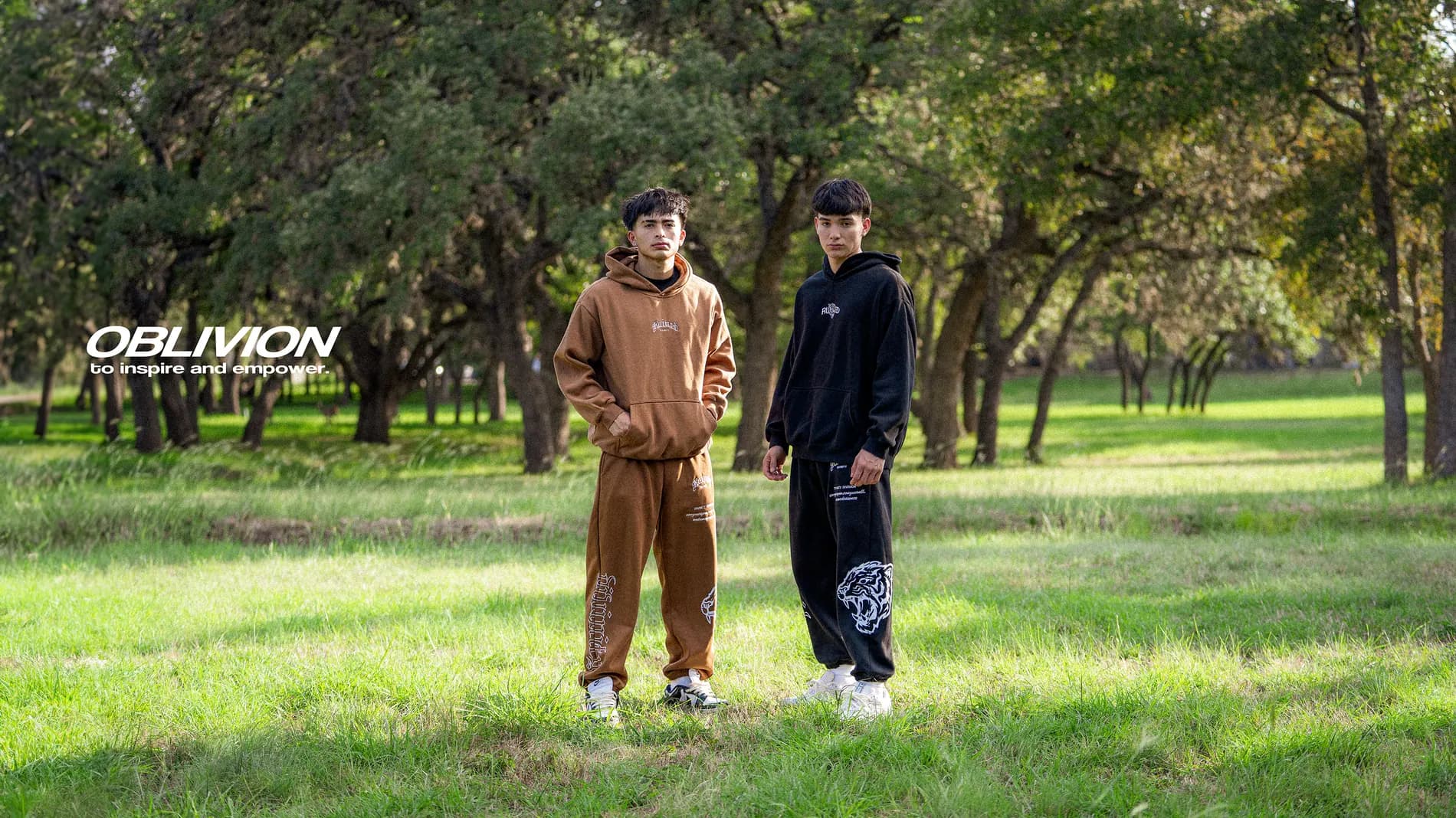
End to end
Identity through fulfilment
In-house
Embroidery and finishing
Cut & sew
Hoodies, shorts, tees, bottoms
Full run
Bagged, tagged, and dispatched
01
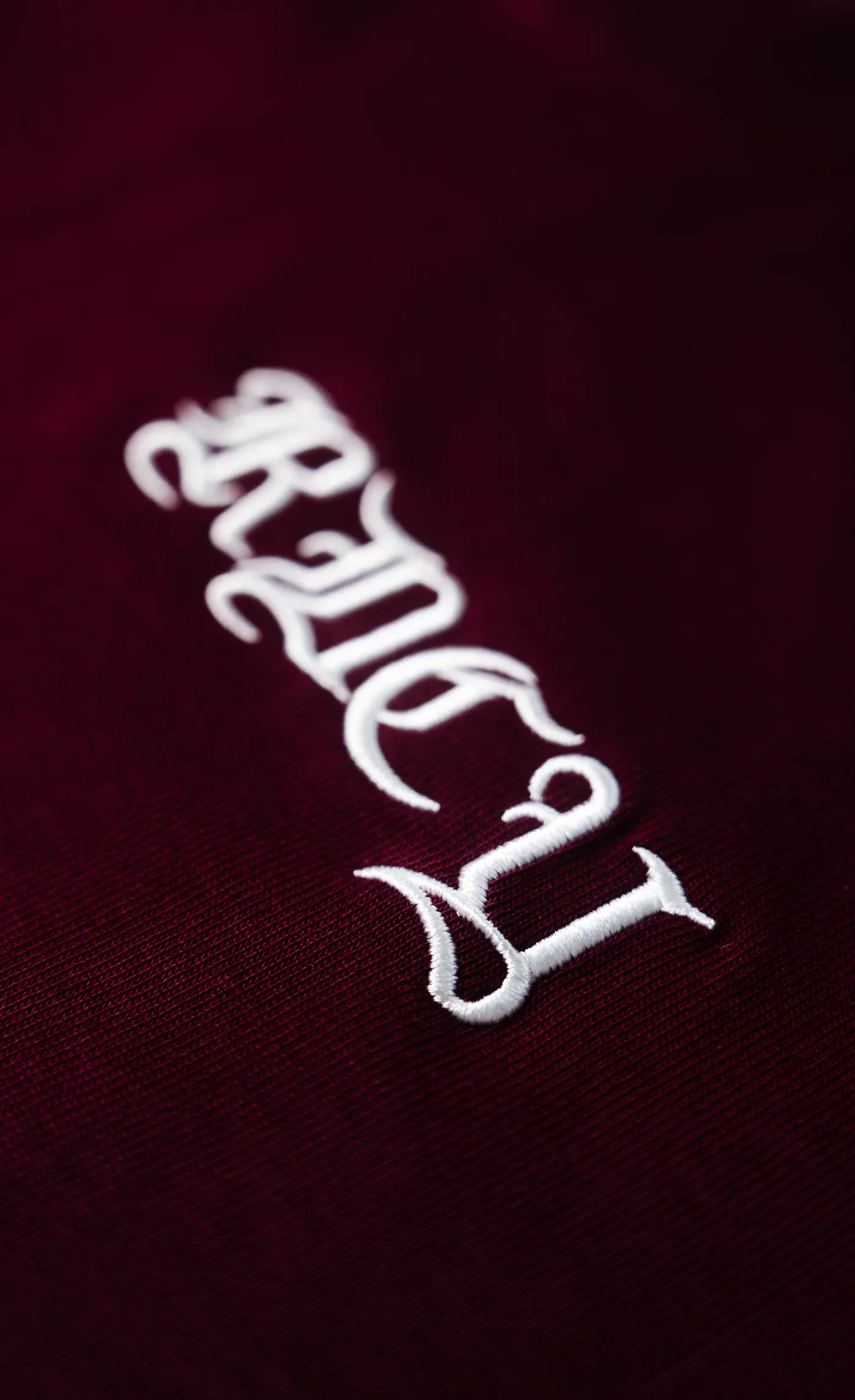
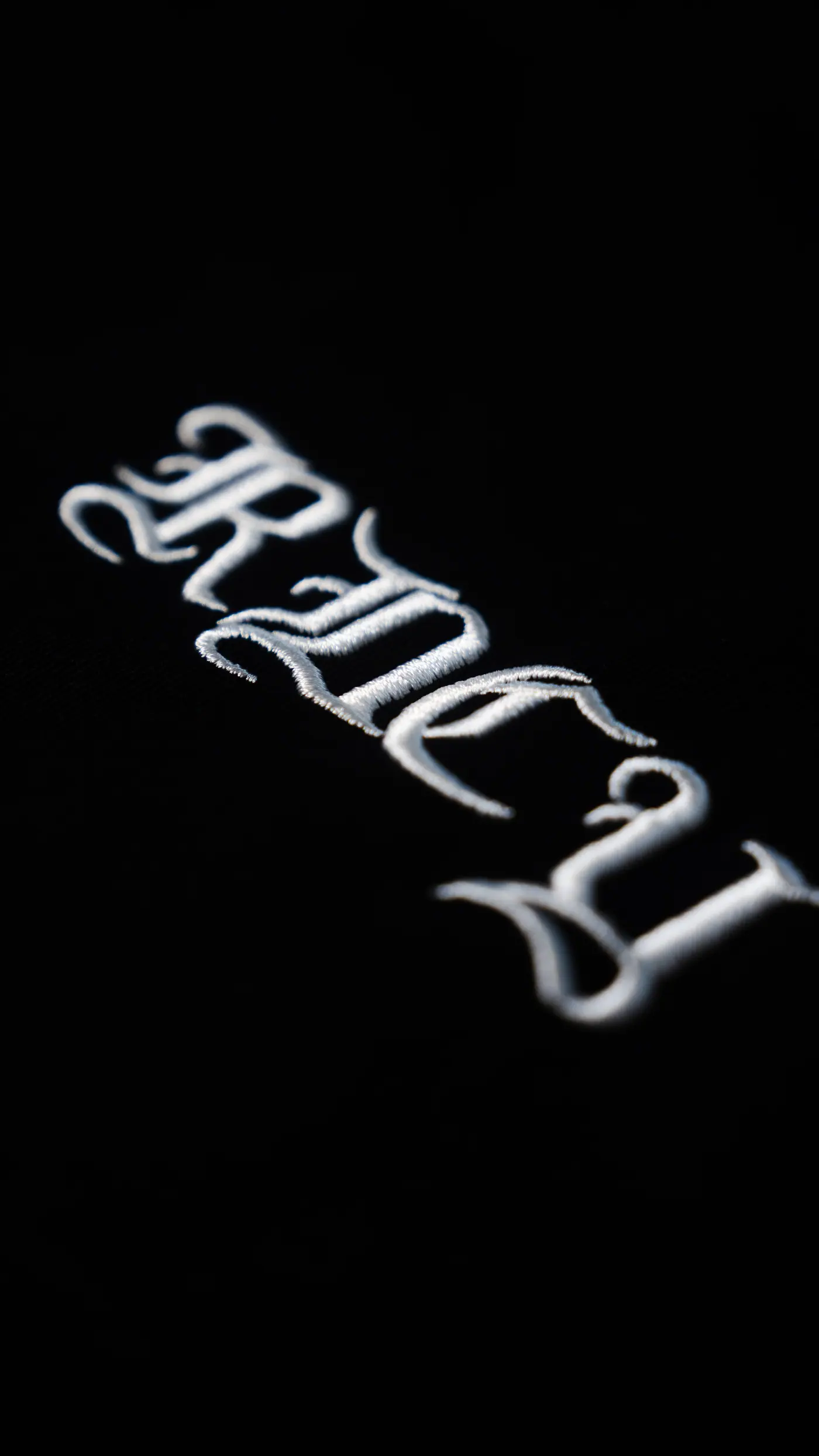
The mark, drawn to be stitched
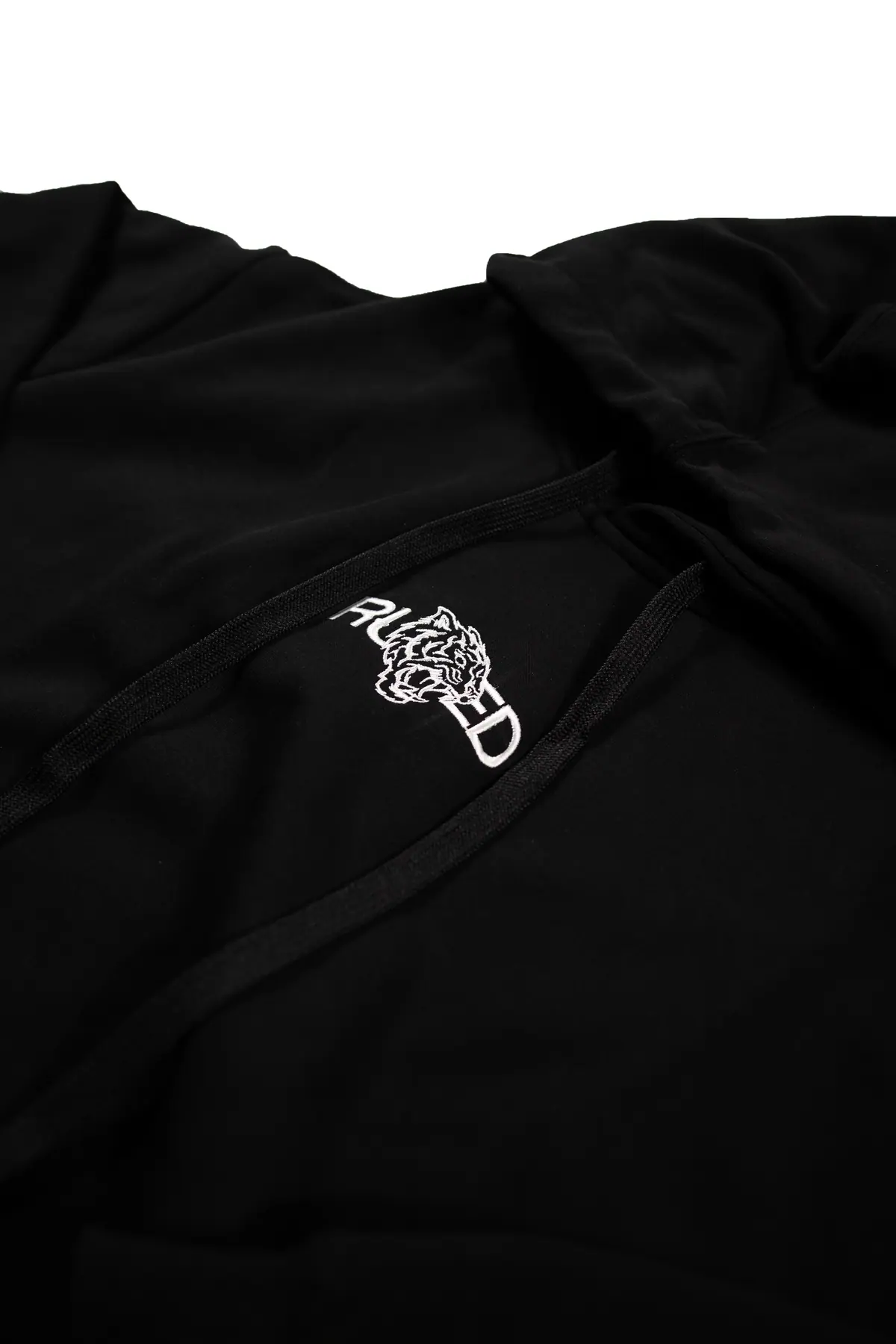
Ruined Divinity came to us with a blackletter logotype that read beautifully flat and fell apart the moment anyone tried to embroider it. Blackletter is all hairlines and sharp counters, and a needle cannot hold either at chest scale.
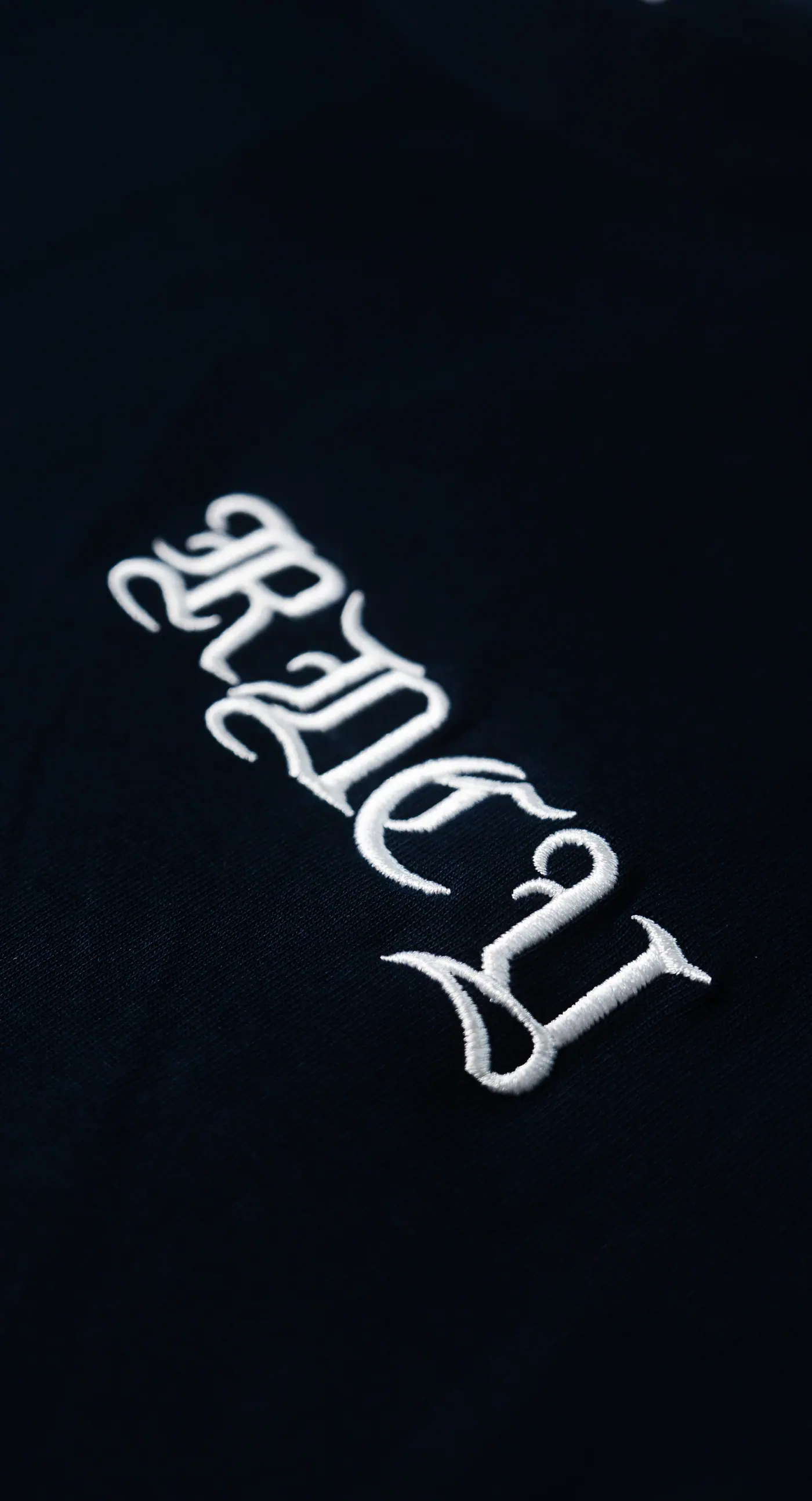
We redrew it for thread rather than for screen — counters opened up, hairlines thickened to the minimum a satin stitch can carry, terminals squared so they land on a stitch rather than between two. The result runs raised and legible on velvet, on fleece, and on the back of a nylon short without a single re-digitisation.
02
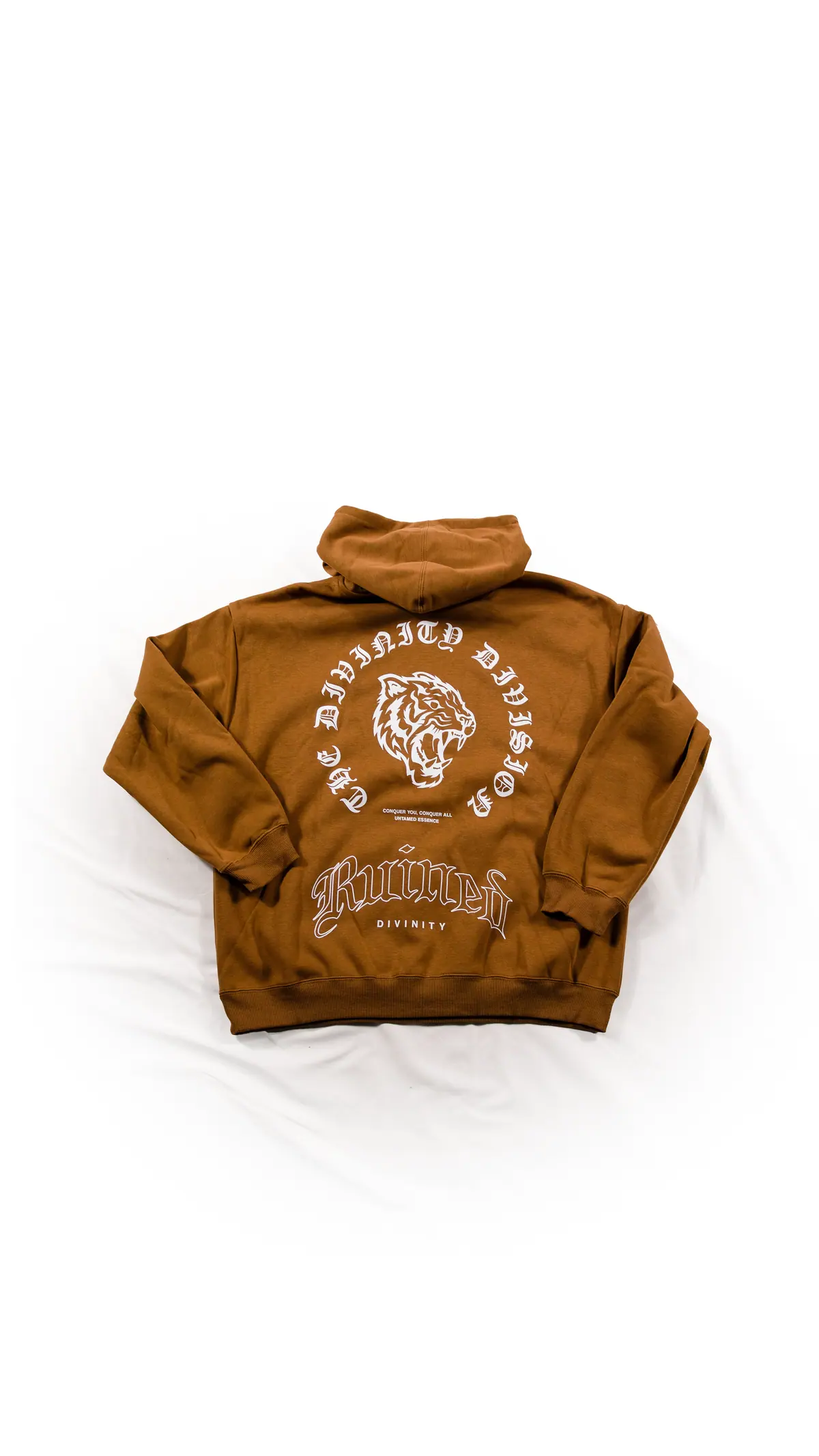
Garments built, not bought and printed
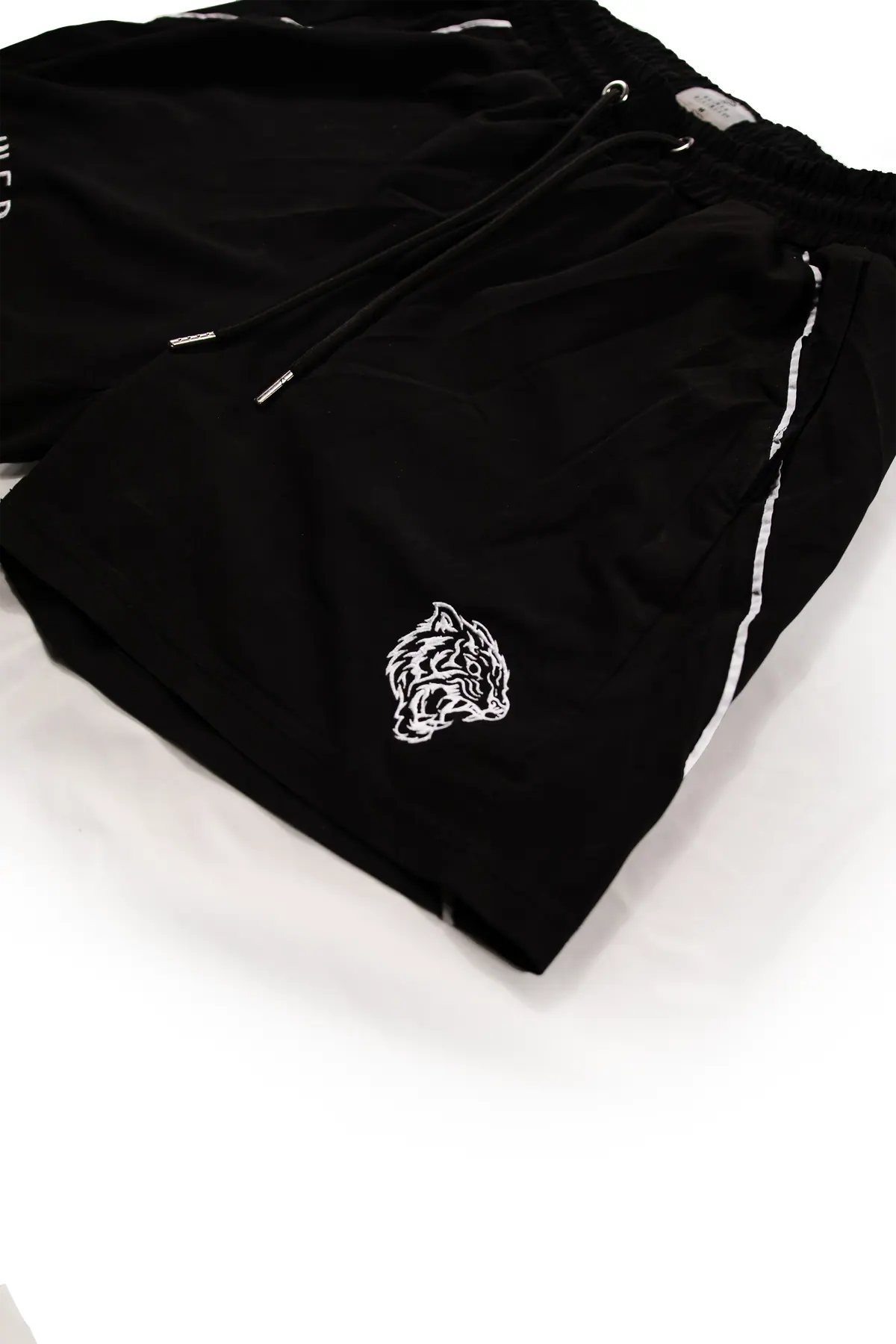
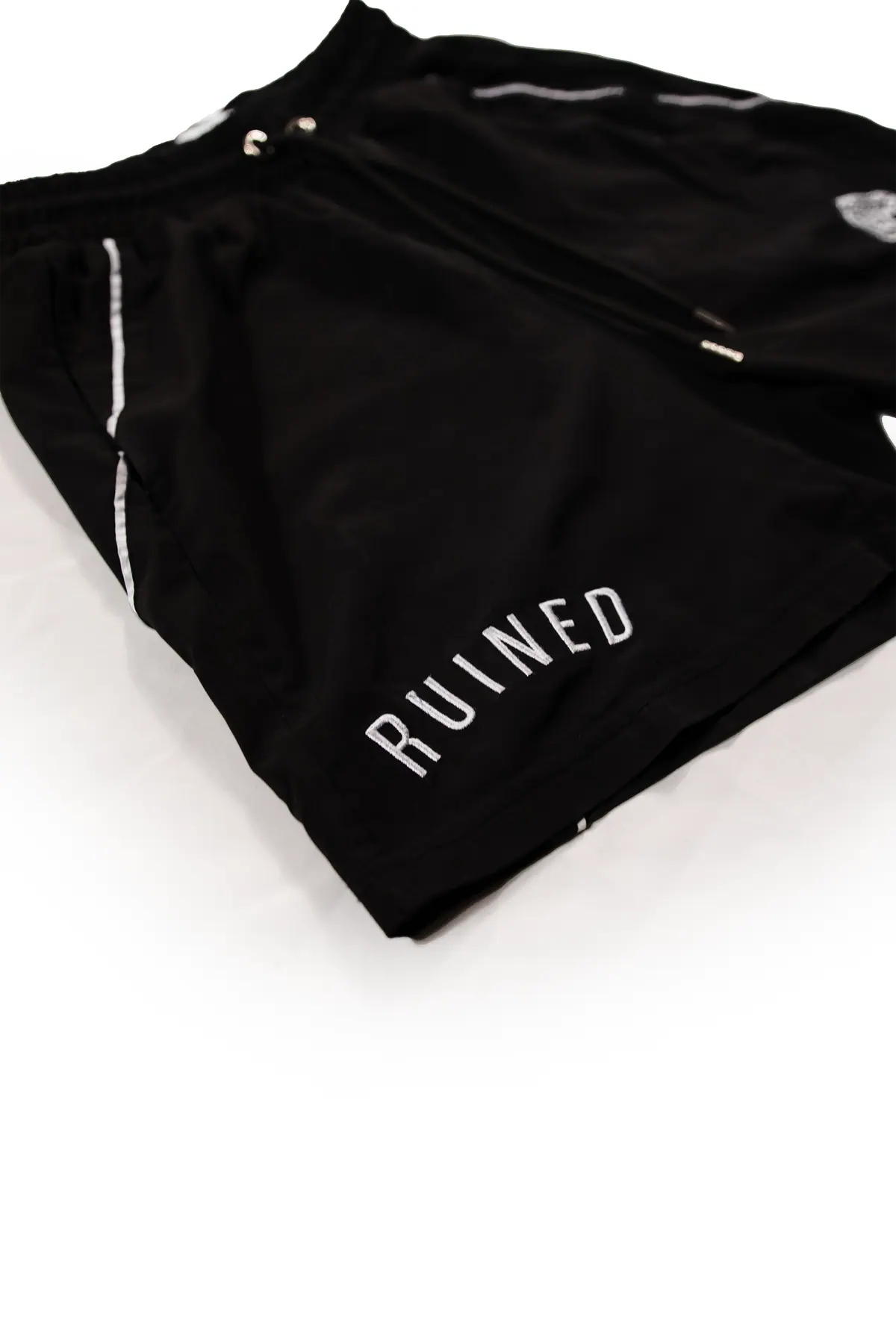
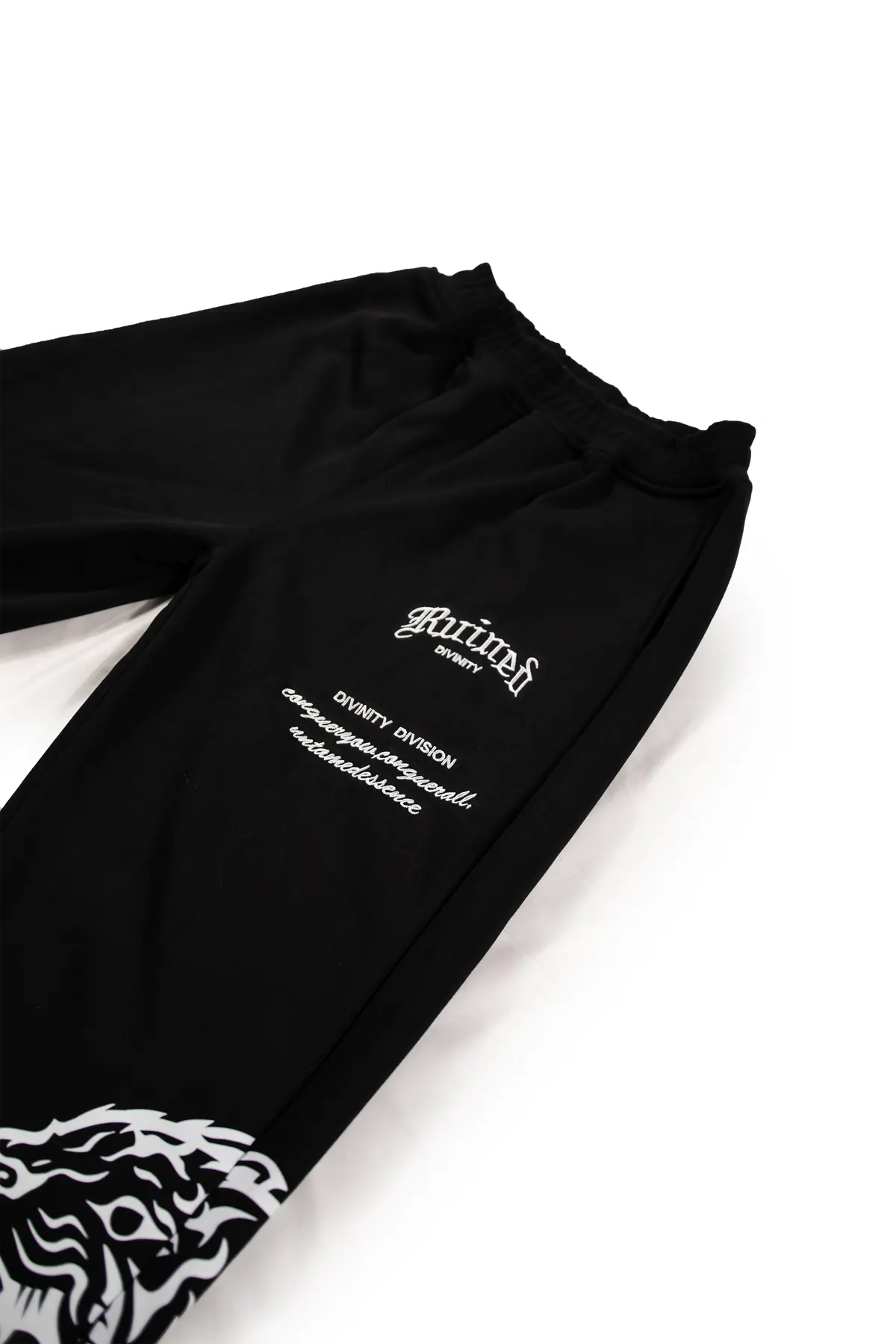
None of this is a blank with a graphic on it. The hoodies are cut to a boxy block with a dropped shoulder and a heavyweight loopback body; the shorts are a separate nylon pattern with its own facings and a bound hem.
Sampling ran until the drape was right on a body rather than on a hanger — which for the camel hoodie meant three blocks before the sleeve stopped fighting the back panel. Every colourway is graded across the full size run before a single unit is cut for stock.
03
Decoration, matched to the surface
The tiger crest is stitched, not printed — a dense satin fill with a hand-tuned underlay so it sits proud of a fleece pile instead of sinking into it. On the nylon shorts the same crest is run at lower density with a backing change, because a fill tight enough for fleece will pucker a technical face fabric.
Where a graphic has to span a whole back panel it goes to screen instead, and the two techniques are specified per placement rather than per garment. That is the difference between decoration that survives a wash cycle and decoration that photographs well once.
04
Trims that carry the brand inside the garment
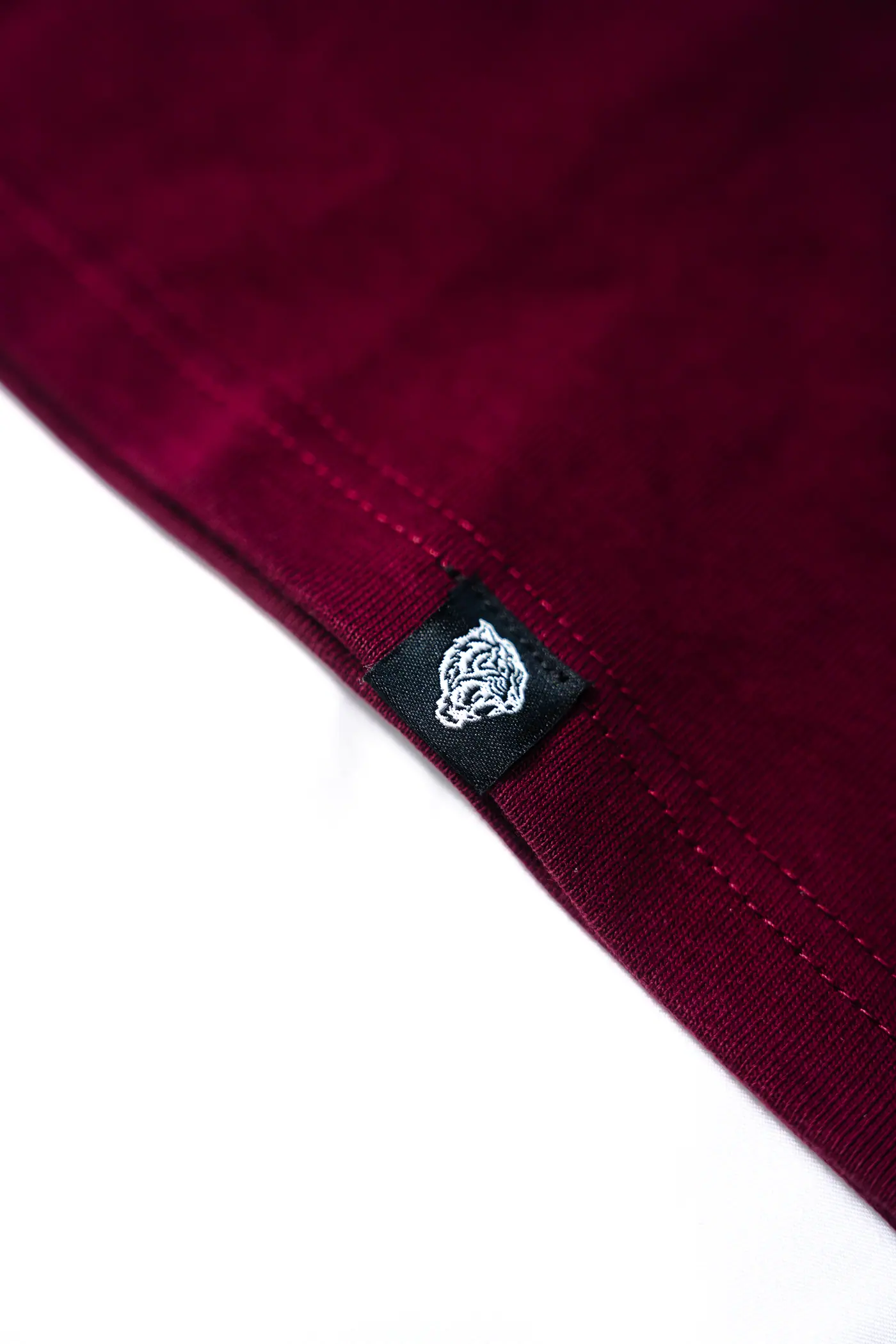
Woven main labels, size tabs, and care sets are specified alongside the garment rather than sourced at the end. The label is a damask weave in the brand's own palette, folded and set into the side seam so it reads without scratching.
It is the part nobody photographs and the first thing a customer notices when the piece is inside out. Getting it wrong undoes a lot of expensive work upstream.
05
Packed, tagged, and out the door
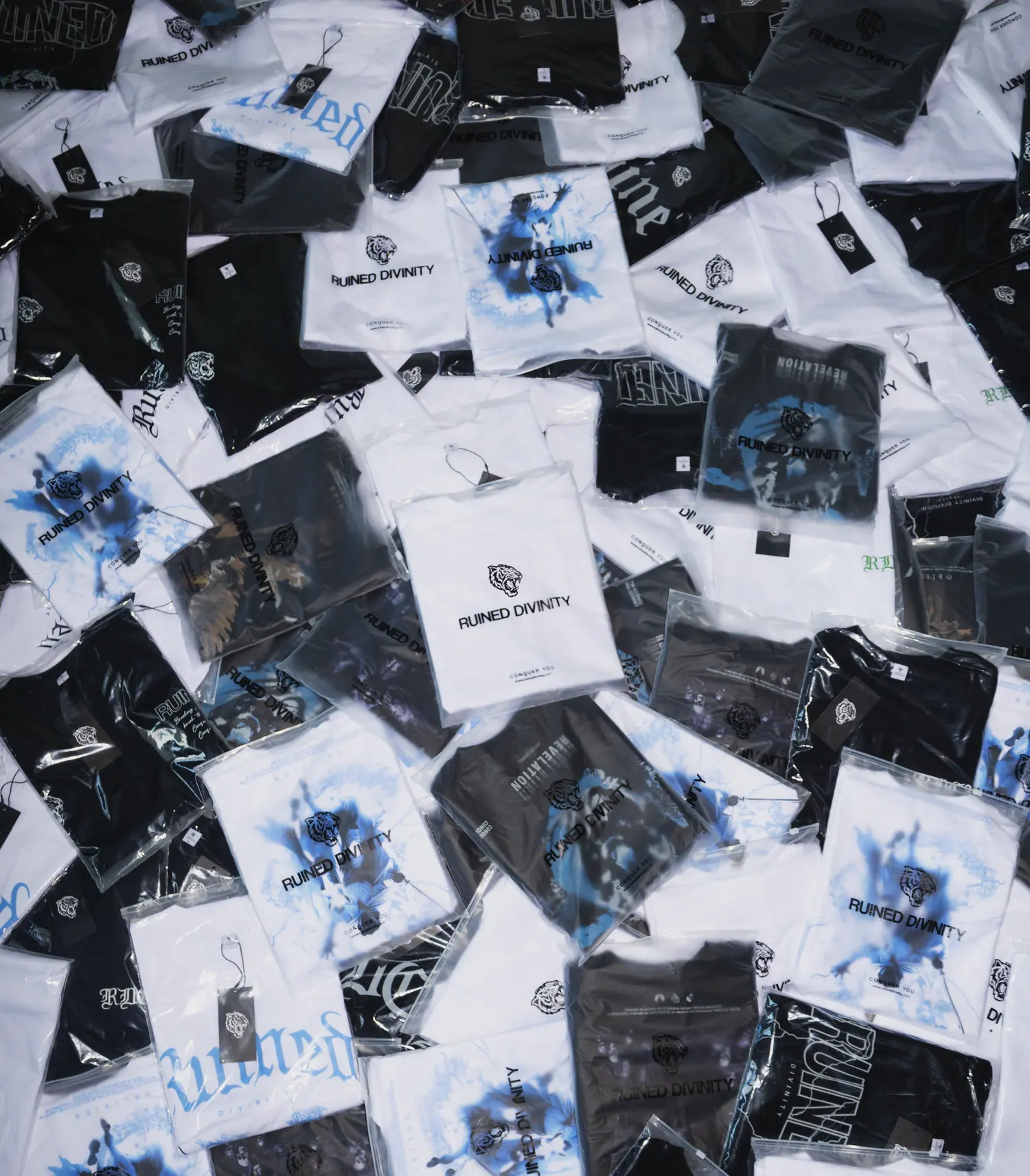
Drops ship from our floor. Every unit is folded to a set spec, poly-bagged, hangtagged, and stacked to the run before a single order is picked — which is why a drop can go out the same week it lands rather than the week after.
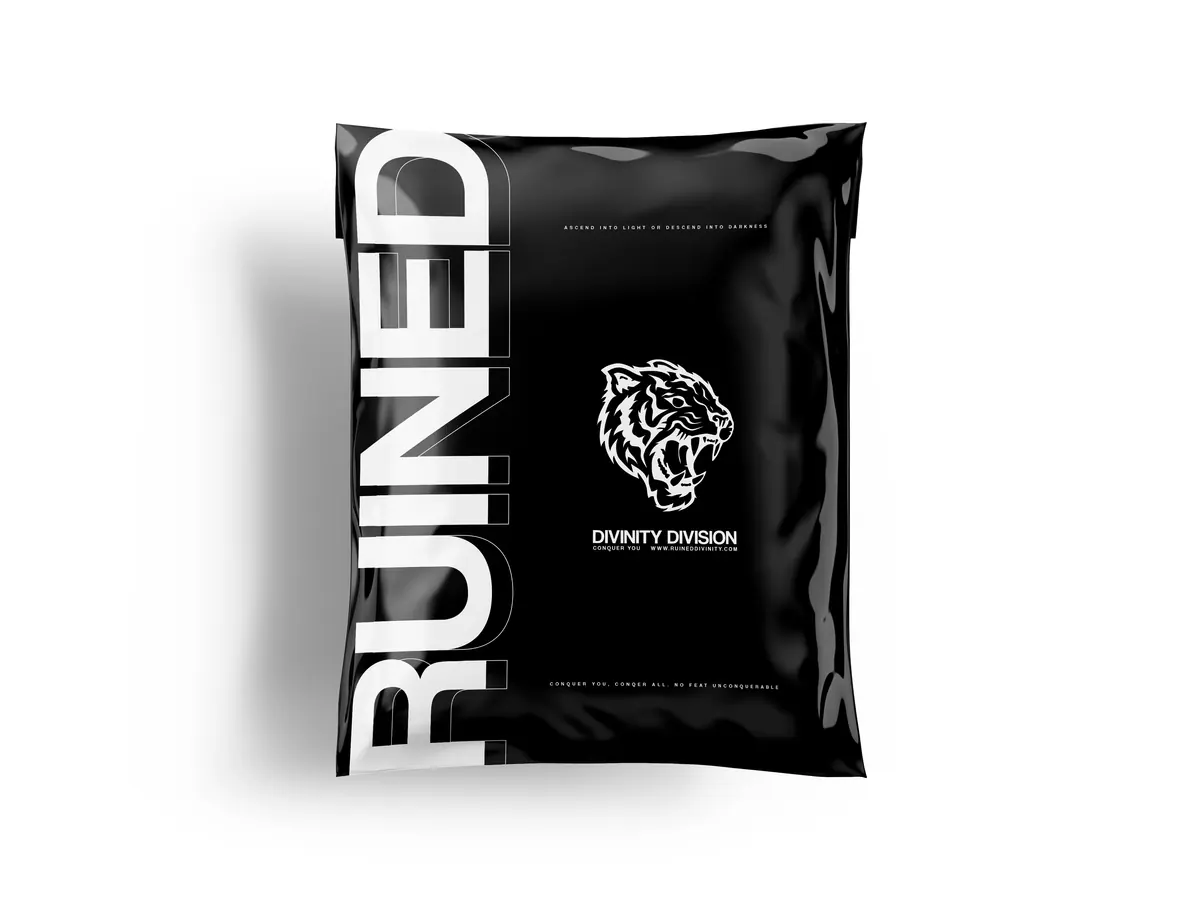
The mailer is theirs too: a matte black polymailer carrying the crest, specified at a gauge that survives a courier network without needing a second bag. Unboxing is the last piece of brand work a customer touches, and it is the cheapest one to get right.
06
And the pictures that sell it.
Lookbook and campaign photography shot in-house against the same seasonal direction, so the imagery and the garments are specified together rather than reconciled afterwards.
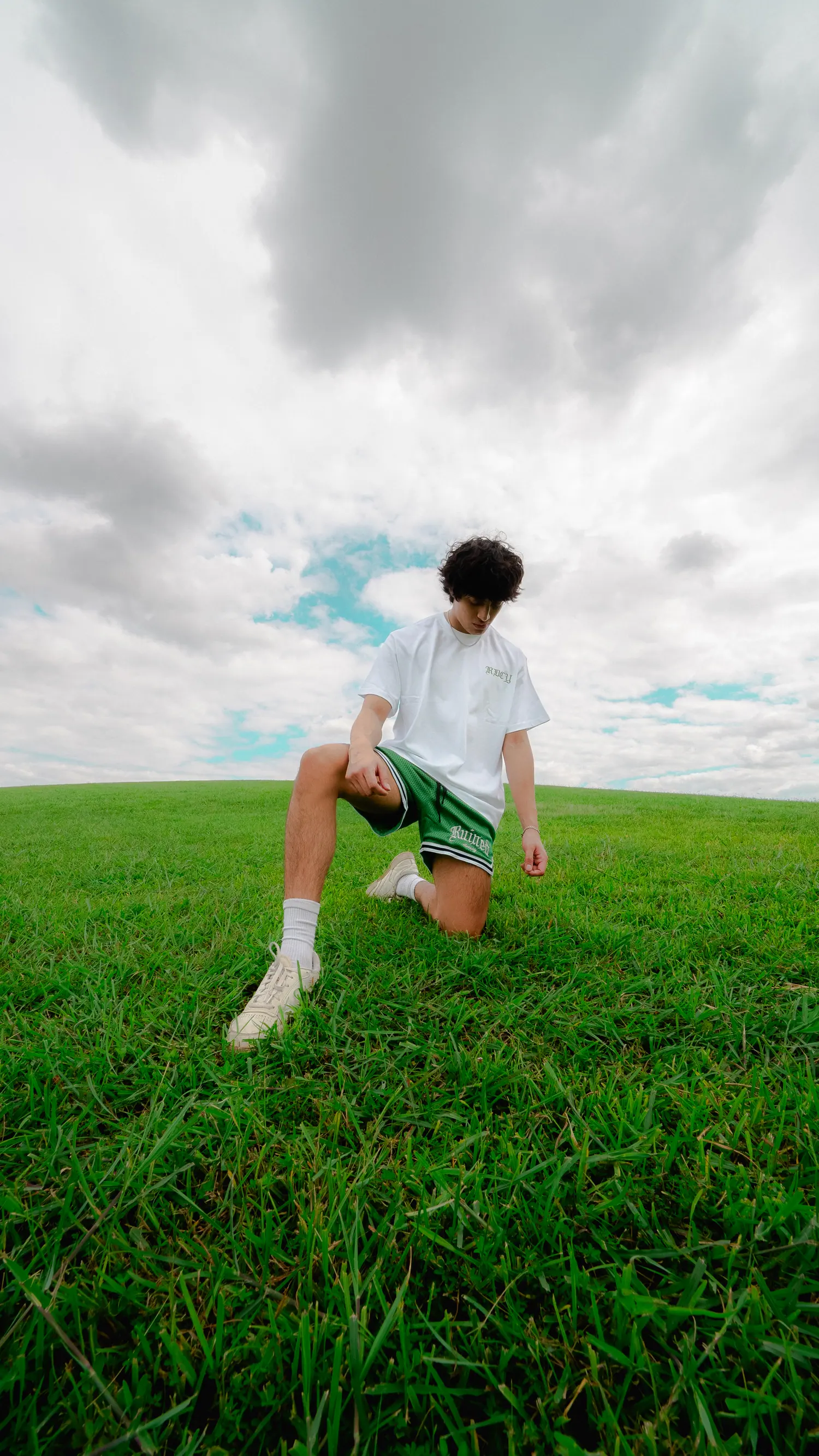
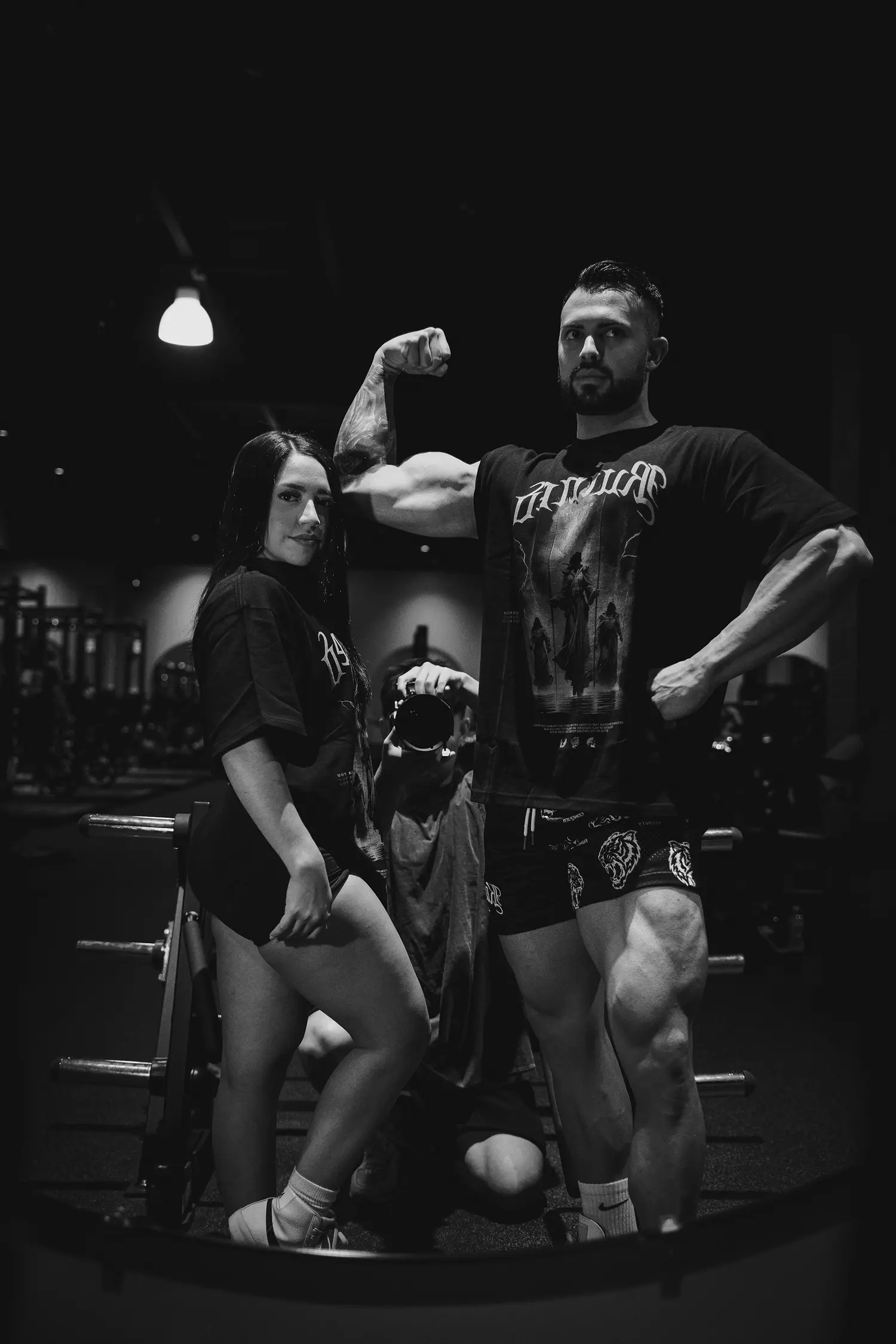
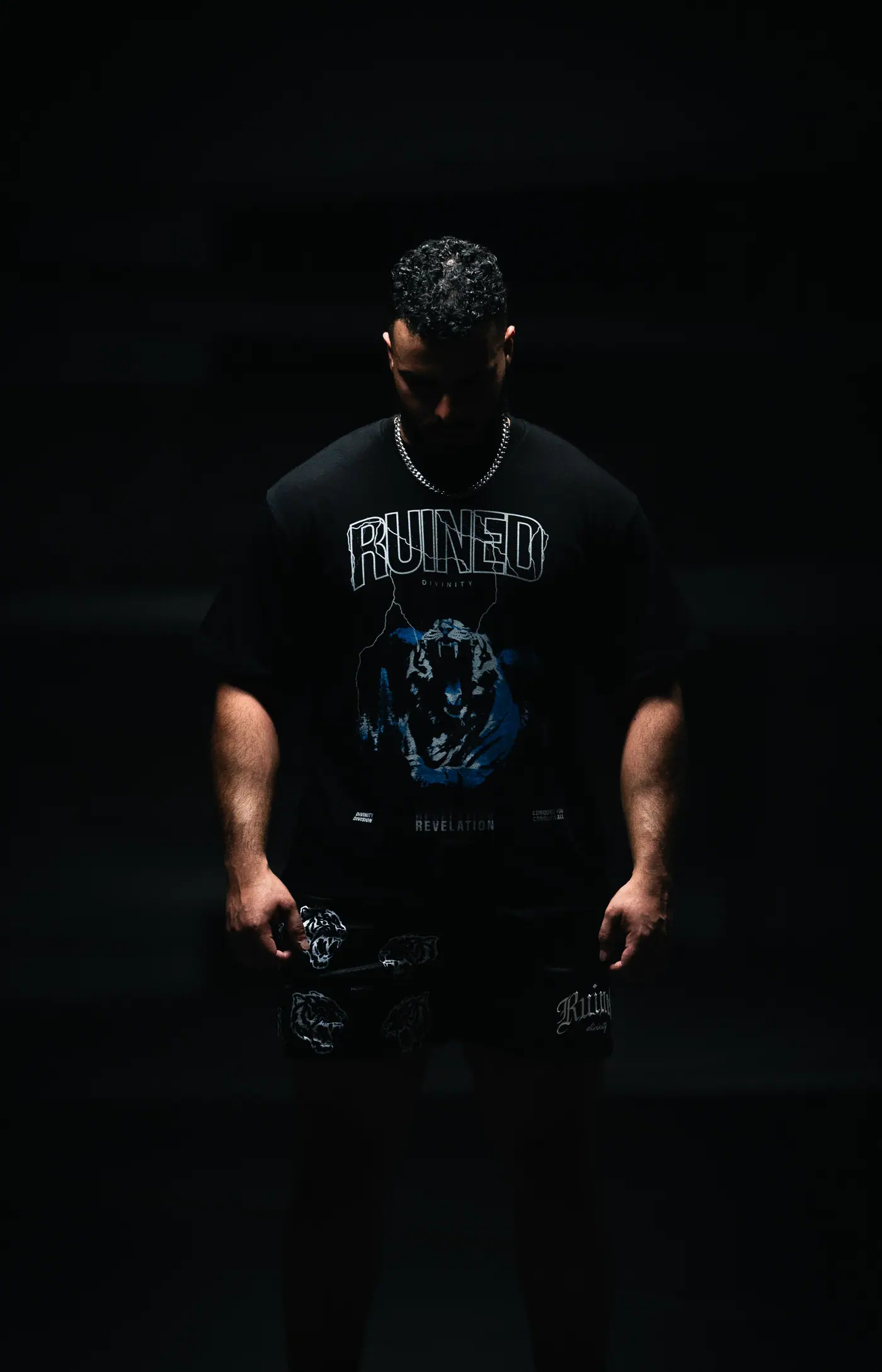
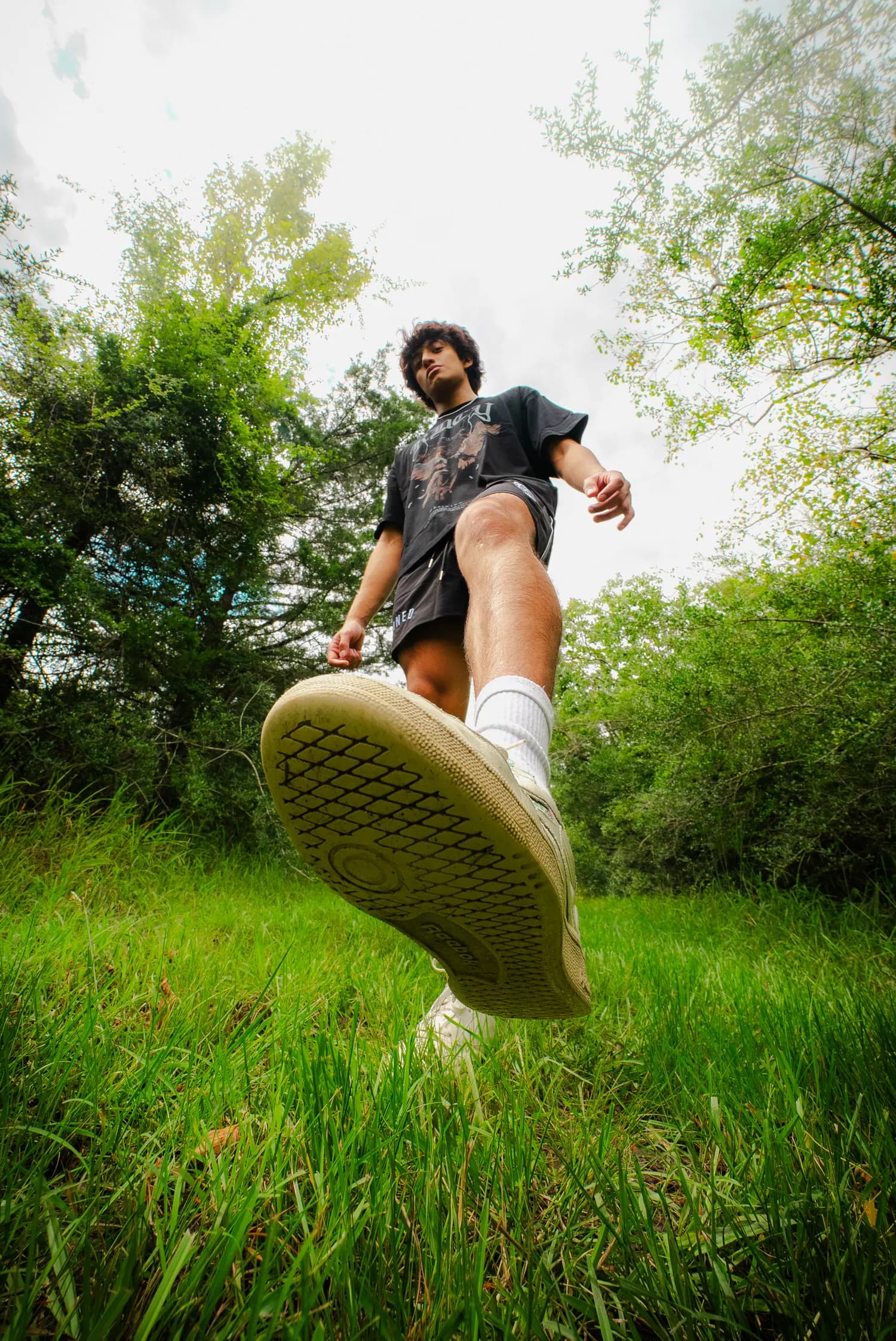
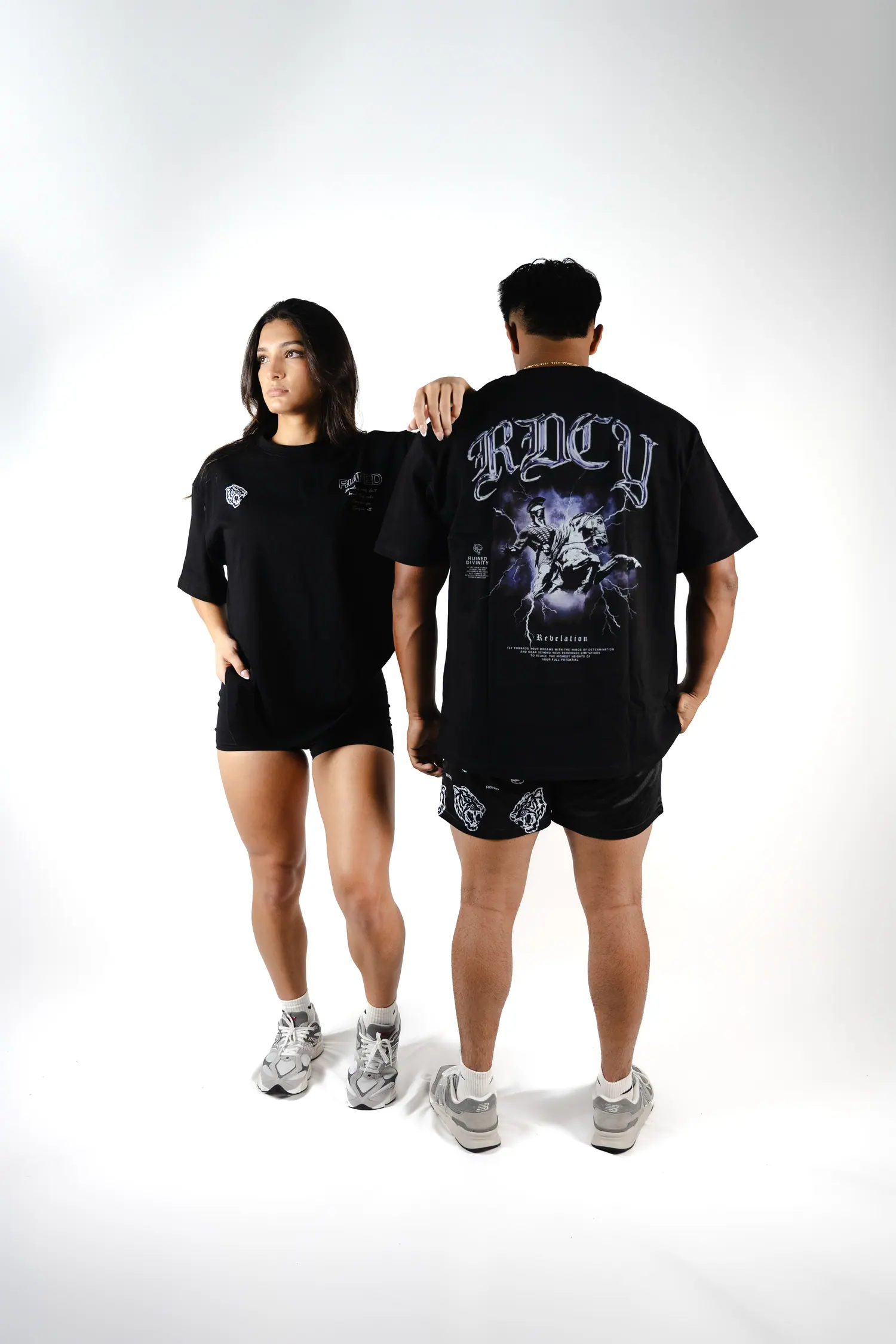
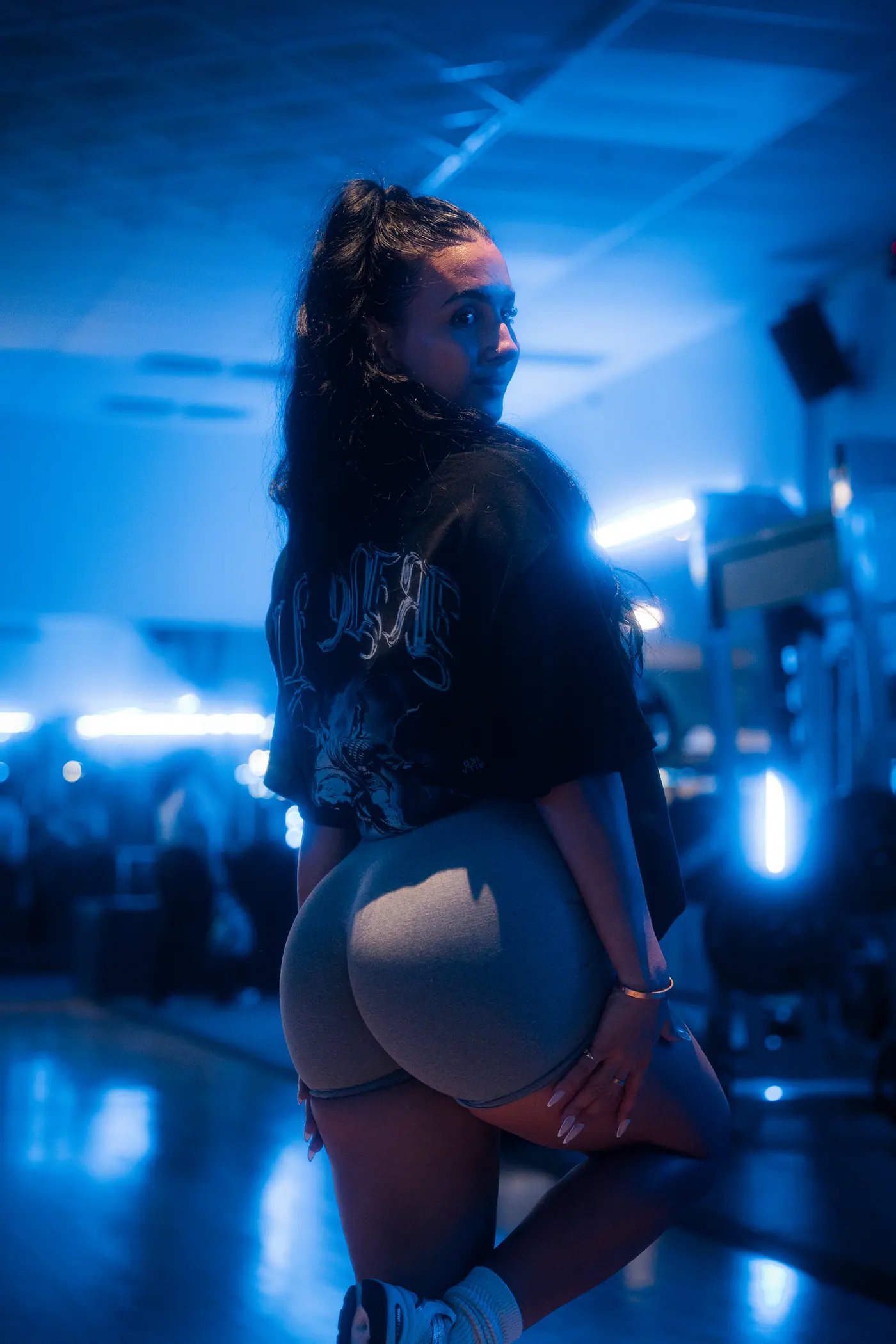
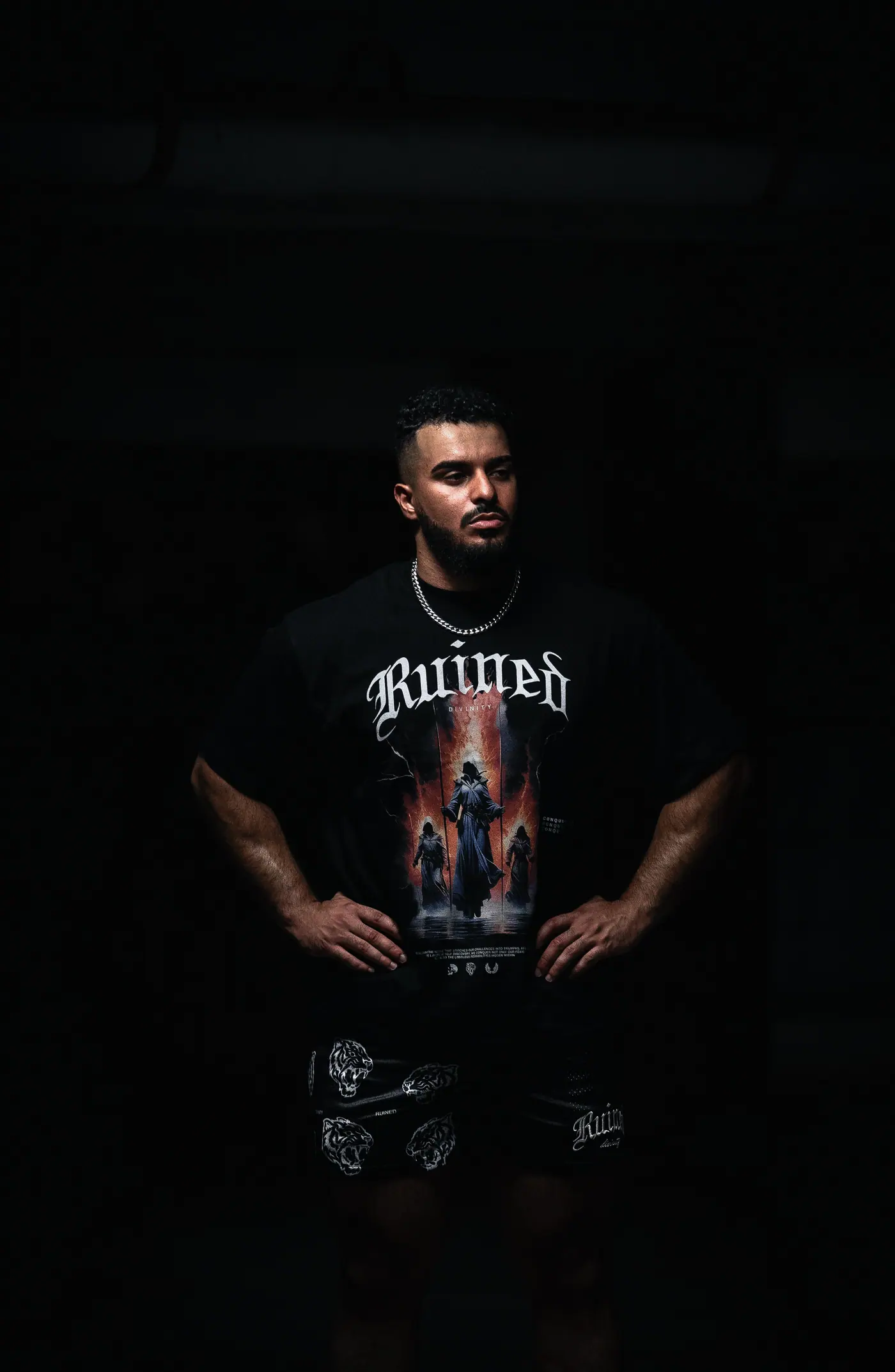
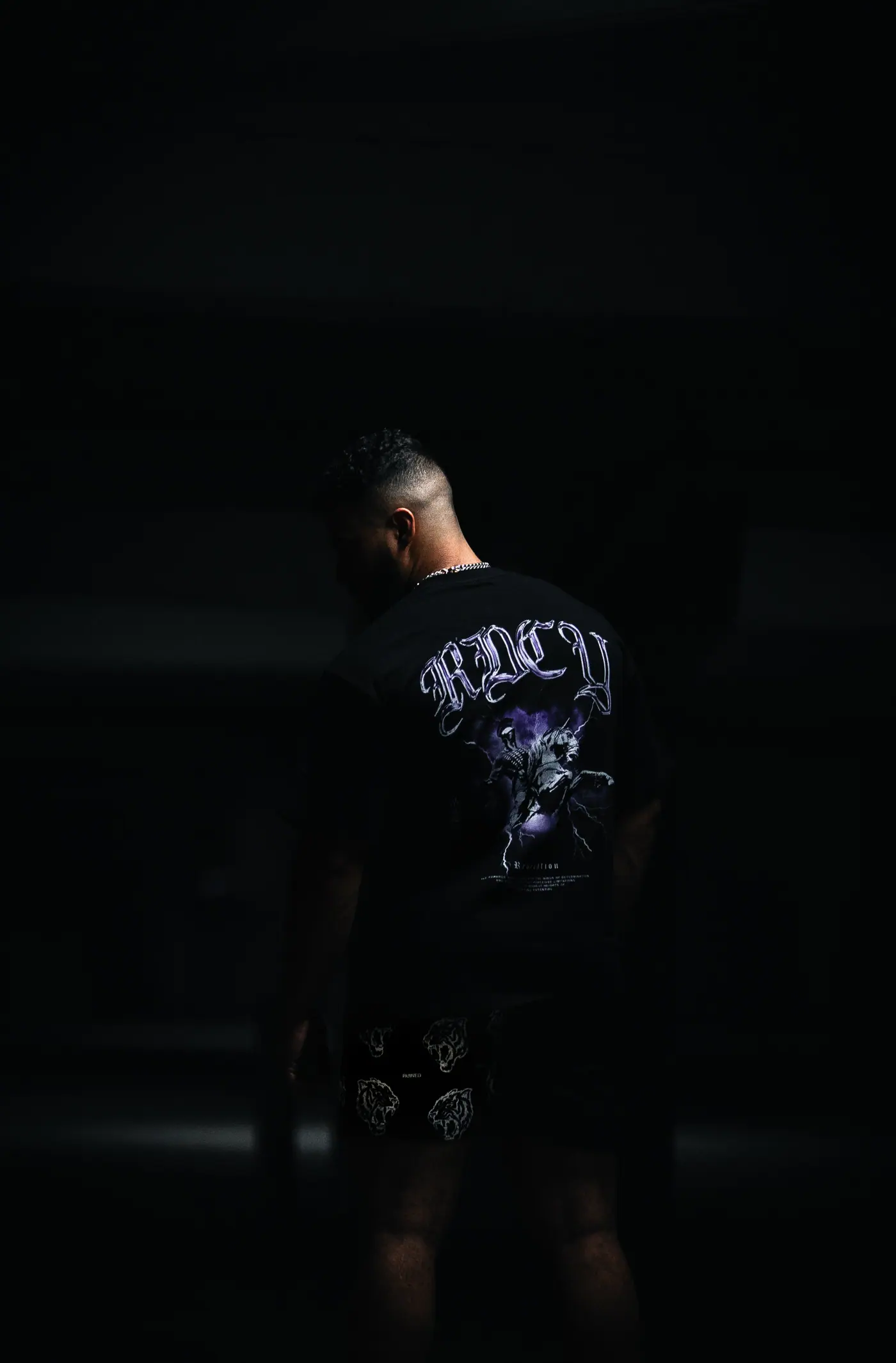
Most of what you see above never appears on a tech pack. It is the accumulated result of a client staying long enough that we could fix the mark, then the fit, then the finishing, then the box it arrives in. Bring us something to build.
Most requested
What the bench builds most.
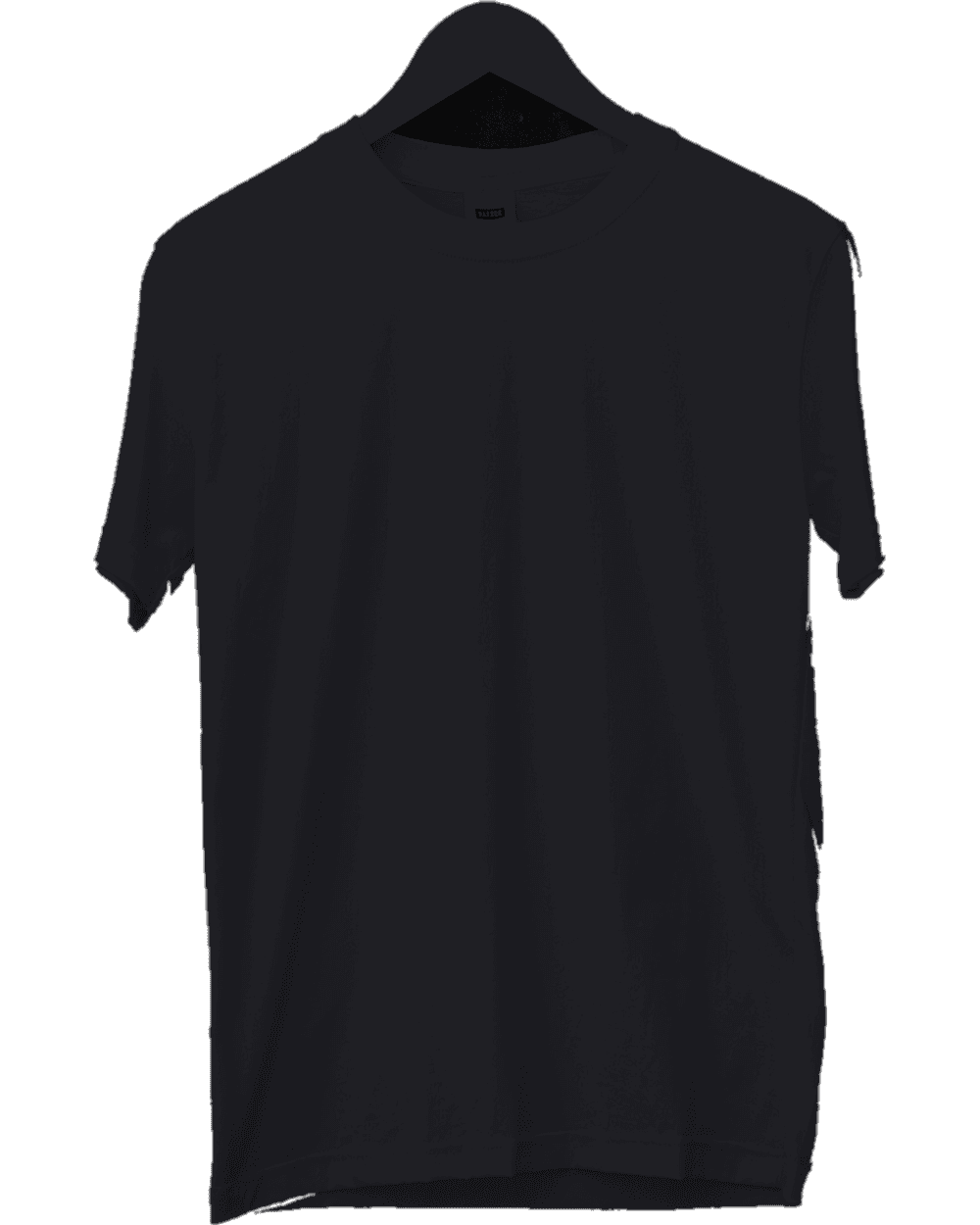
How it is made


The blank
We start with a better ground
Seven ounces on the jersey, twelve on the loopback, fourteen on the brushed-back fleece. Collars set to resist stretch, seams taped, everything garment-dyed after make. There is no graphic to distract from a body that is not good enough, so the body has to be good enough.
The brief
You describe it, we quote it instantly
Type what you want stitched, where, at what size, in which thread. The page prices it and adds the weeks in front of you. No consultation call, no quote request that disappears for a week — just a number and a date before you commit.
The stitch
A line only a hand can draw
Chain stitch is guided by hand under the needle — you steer the fabric, not a program. It is why a full back panel takes eighteen hours, why your version has a wobble in it that nobody else's has, and why a printed copy never reads as the same object.
A machine can print it in
nine seconds. We take nine weeks.
Chain stitch is guided by hand, one continuous line, and it cannot be rushed without showing. Sterling is carved, cast, filed, and polished at a bench. Leather is saddle-stitched, never glued. The time is not overhead — it is the entire product.
The blank program
Seven shapes. Ten colorways each.
Seventy bodies, cut and dyed ahead and held blank. Pick the ground, write the brief on its page, and the bench builds it into one of one.
The bench list
Commission slots open in small batches. The list gets them forty-eight hours before anyone else, along with the stitch-outs from the current run. Nothing else, ever.
Questions
Before you order.
Because the garment is the ground, not the product. We cut and dye the bodies ahead — seventy of them, across seven shapes and ten colorways — and hold them blank until someone claims one. What you actually buy is the stitching that goes onto it.
On any product page. Describe the artwork, the lettering, the placement, and the size in the brief field, paste a link to reference art if you have it, pick your thread, and tick the work you want. Price and build time recalculate as you go — there is no quote request and no waiting to hear back on cost.
Then skip the artwork option and use the lettering field alone. Hand chain-stitch runs $28 per character up to sixteen characters, in any of five placements. It is the cheapest way into a one-of-one piece and it is what most first orders are.
Yes. Leave the brief empty and select no work, and the blank ships as it is at the base price. Plenty of people buy the 14oz fleece purely as a blank, then send it back later to have something stitched into it.
Blanks ship in two to three weeks. Lettering adds one week, custom artwork adds three, and sterling hardware adds three. The product page sums it as you configure, so the number you see before checkout is the number we work to.
The studio reads it and comes back within two business days with anything that needs clarifying — scale, thread contrast, placement against a seam. Then we run a stitch-out on the same fabric and thread and photograph it for your approval. Nothing irreversible happens to the garment before you sign that off.
A blank comes back within thirty days, unworn with tags. Anything carrying your stitching is built for you alone and is final sale — which is exactly why the stitch-out approval exists.